
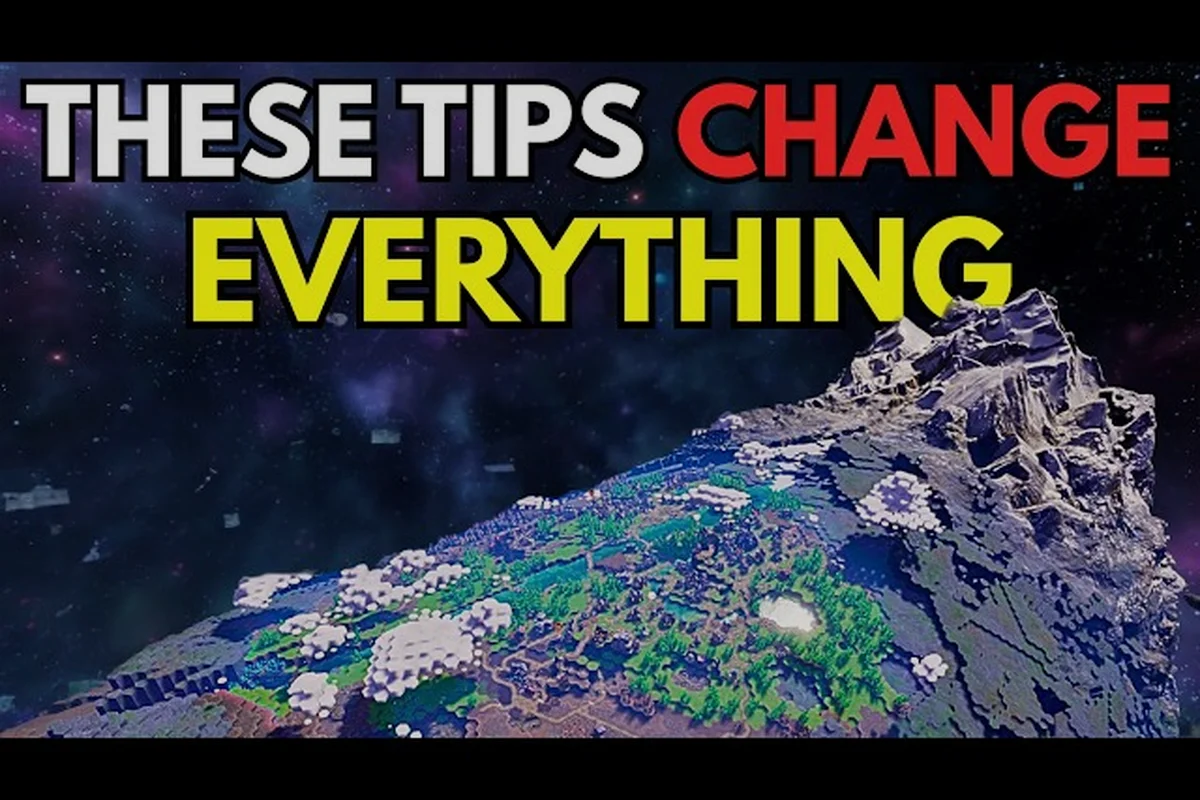
Beyond These Stars is barely a day old, and the difference between a smooth settlement and a chaotic first shift comes down to the decisions you make before the second shift bell rings. This Beyond These Stars best start guide is built from the developer's own official material, the launch Steam page, and the in-game tutorial flow, because the community wiki coverage that older guides rely on does not yet exist for this title. Players who want a Beyond These Stars tutorial that respects what Balancing Monkey Games has actually published — and what they have deliberately left out — will find concrete layout priorities, a clear answer to "what should I do first," and advanced tips you can apply on the very first map.
The 1.0 release dropped on 2026-10-16 with no Early Access period, which means most players are seeing Kewa, the Home Spaceship, and the Galaxy Map for the first time together. Your first hour decides whether you spend the next ten hours catching up or compounding momentum. on 2026-10-16 with no Early Access period, which means most players are seeing Kewa, the Home Spaceship, and the Galaxy Map for the first time together, and your first hour decides whether you spend the next ten hours catching up or compounding momentum, so before you log in it helps to skim a quick Beyond These Stars what to do first walkthrough that maps out the opening priorities like securing your first crew, plotting a low-risk route on the Galaxy Map, and stocking the Home Spaceship so early encounters don't stall your progression.
Reading the First Hour: Why the Best Start Matters
Most players lose the first hour to two temptations: placing buildings in a visually tidy grid, and chasing the technology tree before basic needs are stable. Both feel productive, and both are wrong on the very first map. The developer's Official Beginner's Guide, which sits at the top of the Steam's launch-day post for app 2295060, opens with settlement stability before research, and the in-game objective list follows the same hierarchy.
The reason is mechanical, not stylistic. Peeps, the citizen-type inhabitants of Kewa's back, generate Sickness when their energy falls at the start of a shift, and Sickness is the gateway to Death and Mourning as the Dev Blog #25 on Peep Sickness, Death and Mourning lays out. Once a Mourning event starts, it spreads, and your productivity chain stalls. Preventing that first cascade is the entire point of a Beyond These Stars best start.
The Three Pillars of a Strong Opening
A good opening lines up several layers of priority before you ever touch the research screen, and the order matters as much as the items themselves. Shelter + Food has to be the first commitment, because a Home Spaceship upgrade plus a working Kitchen chain is the only thing standing between your colony and the sickness spirals that cascade into missed Peep shifts. Skip straight to a Happiness Anchor like a Fairground and you will watch productivity rot from the inside, while ignoring a Layout Buffer around the Space Port will quietly choke your resource flow the moment a cargo ship enters the queue. Treat the trio as a sequenced checklist, not a buffet.
| Priority Layer | What to Stabilize | What Happens If You Skip It |
|---|---|---|
| Shelter + Food | Home Spaceship upgrades, Kitchen placement, basic food chain | Sickness spikes, Peeps miss shifts |
| Happiness Anchor | One social building (Fairground) within walking range | Strikes trigger, productivity slows |
| Layout Buffer | Space Port + Landing Pad combo with a clear ship path | Ships queue, resource flow jams |
Treat those priorities as a checklist. You are not done with the opening hour until each one is producing a positive delta, even if the deltas are small. The developer has not published exact per-shift resource rates, so think in terms of whether the bar is moving in the right direction, not in terms of a numeric target.
What to Build First on Kewa's Back
The named buildings in the official material are limited — the developer has been careful not to ship a spreadsheet, and the Beyond These Stars Steam store page lists the verified building roster rather than recipes. That limitation is actually useful for an advanced player: when the roster is small, placement decisions matter more than build order.
The Core Five
These are the buildings the official beginner material consistently points to, and they form the tightest possible opening build order for a fresh colony on any of the game's planetary biomes. Notice the table below keeps every one of them tied to a concrete, time-boxed action — upgrade the Home Spaceship once, staff the Kitchen by shift 2, place the Pasture on a wool-yielding tile, put the Fairground within two tiles of housing, and hold the Apothecary until a sick Peep actually appears. That sequencing is what "beyond these stars best start" looks like in practice: five structures, five jobs, no detour into Burners, Cleaners, Trawlers, or space-tier buildings like the Space Port during the opening hour.
| Building | Verified Role | First-Hour Goal |
|---|---|---|
| Home Spaceship | Early Peep production and starting resource trickle | Upgrade once if possible |
| Kitchen | Turns raw ingredients into meals | Get it staffed by shift 2 |
| Pasture | Produces Wool; also sources Cotton seeds | Place near a wool-yielding tile |
| Fairground | Site of Celebrations when happiness crosses threshold | Build within two tiles of housing |
| Apothecary | Heals sick Peeps | Build only after first sick Peep appears |
Notice the Burner, Cleaner, Tree Nursery, Weaver, Tailor, Trawler, Composting, and the space-tier buildings (Space Port, Landing Pad, Spaceship Builder) are all real, named structures, but they are not first-hour buildings. The Burner consumes Wood, the Cleaner mixes Water and Chemicals to address Pollution, and the Trawler harvests Shell — each of them is a follow-up problem, not an opening one.
The Adjacency Trick
Adjacency bonuses are one of the named mechanics the developer has published, and they reward tight clusters rather than spread-out grids. A Kitchen adjacent to a food source will outproduce an isolated Kitchen by a margin the developer has intentionally not published as a number, but community observation across the studio's previous city builder Before We Leave suggests the bonus is meaningful enough to plan around. The Practical takeaway: cluster your first five buildings inside a small footprint, and expand only when adjacency is exhausted.
The Research Decision Most Players Get Wrong
A Beyond These Stars tutorial that skips the research screen is incomplete, but the same screen is the single biggest trap in the opening. Players see Advanced Goods as a research category and assume unlocking it is the goal. It is not. Advanced Goods are an output category the developer has not yet published the recipe for, and chasing them before you have stable Wood, Water, and Chemicals is the fastest path to a stalled shift.
What to Research First
| Research Lane | Why It Wins Early | Risk If You Pick It First |
|---|---|---|
| Terraforming baseline | Unlocks canals, top soil placement, tree planting | Slow payoff if housing is already stable |
| Clothing chain (Tailor-related) | Removes Cold Weather / Warm Weather Clothing bottlenecks | Wastes research if your biome is temperate |
| Happiness tech | Triggers Celebrations earlier, boosts production | Useless if Peeps are starving |
| Advanced Goods | Long-term output category | Developer has not published the build chain — risky early |
Terraforming is the only research path that improves the map you are standing on. Every other research pick gives you a building or a recipe. A canal that diverts Water past your Kitchen does both, so early canals near your starter settlement let you irrigate Top Soil tiles for farming while simultaneously powering water-gated buildings like the Kitchen and Washroom. This double-dip is why most successful beyond these stars best start runs rush Terraforming before touching the Clothing chain or Happiness tech lanes.
Reading Kewa
Kewa is not a tile; they are a character, and they have their own health and happiness that drag on every other system. A hot galaxy depresses Kewa's happiness, and if it falls far enough, Kewa triggers emergency travel to a colder region, as Dev Blog #29 on the Biome and Temperature describes. Dialogue choices nudge Kewa's mood, and the Solar System View unlocks right after your first real conversation with them.
For a Beyond These Stars best start, the practical advice is to take the first dialogue option that mentions Kewa feeling stable, not the option that promises a resource bonus. Kewa's happiness is a multiplier on every other system, while a one-time resource bonus is a flat number you cannot compound.
Advanced Tips That Compound After the First Hour
Once the three pillars — Shelter + Food, Happiness Anchor, and Layout Buffer — are stable, you can start spending cognitive bandwidth on optimizations. These advanced moves target specific failure modes that surface only after the first hour: rerouting haulers around the slowest walking routes, re-allocating Peeps between the Kitchen and the Tailor as clothing demand shifts, and pre-staging top soil so a sudden terraforming project doesn't stall your food chain mid-shift. They are the tweaks that separate a clean first session from a recovery session where you're scrambling to rebuild a collapsed happiness chain.
Shift Planning Beats Building Spree
Shifts are a named mechanic, and they decide who works when. A first-hour player who builds ten buildings will staff maybe three of them, and the other seven become visual clutter. A first-hour player who builds three buildings and ensures all three are fully staffed by the end of shift 1 will have a stronger base by shift 4 than the building-spree player.
Pollution Before It Becomes a Problem
Dev Blog #29 also covers biome health: planting trees, minimizing Pollution, and creating rivers keep the biome healthy. The Cleaner is the direct counter to Pollution, mixing Water and Chemicals, while the Tree Nursery is the indirect counter. Place at least one Tree Nursery inside your starter cluster even if Pollution is currently zero. The cost of one nursery is a Tree Nursery placement; the cost of an unprepared Pollution spike is a Mourning cascade.
The Strike Window
The first strike lasts three shifts, as Dev Blog #23 on Strikes confirms, and you get a goal tied to the root cause that can end the strike early. Striking Peeps hold signs and block other Peeps, slowing the entire base. The defensive play is to keep happiness above the strike threshold by maintaining a Fairground within walking distance of housing, and to monitor the early-shift happiness number rather than the rolling average.
Outposts and the Settlement Ship
The Settlement Ship is the named ship that lands on a new planet, and the player does not build it — the developer has been explicit that this is an event, not a construction project. Outposts on nearby planets supplement what Kewa cannot supply, but they require a Space Port and a Landing Pad on Kewa first. Space Ships cannot land on Kewa without a Landing Pad, so the Landing Pad is the actual hard gate for the entire outpost line.
Resource Awareness
| Resource | Source | Warning Sign |
|---|---|---|
| Wood | Trees, Wood Waste recycling | Burner will consume Wood if set to |
| Water | Map features, terraforming canals | Pollution rises if Water runs short |
| Chemicals | Late-game production | Cleaner stalls if Chemicals run out |
| Wool | Pasture on a planet with sheep | Tailor stalls without Wool |
| Shell | Trawler (ocean map) | Decorative in opening, critical mid-game |
| Advanced Goods | Researched category | Developer has not published the recipe |
If you are running low on Water, the immediate fix is a canal, not a new building. If you are running low on Wood, the immediate fix is to check whether your Burner is set to consume Wood — that single setting has ended more openings than any other knob in the verified material.
Frequently Asked Questions
Beyond These Stars best start — what should I literally click first after the cutscene ends?
Take the first dialogue option with Kewa that mentions feeling stable, then queue a Kitchen and a Home Spaceship upgrade. The unlock from that conversation opens the Solar System View, and a staffed Kitchen by the end of shift 1 prevents the Sickness cascade that Dev Blog #25 warns about. Skip the technology tree until the third pillar (Layout Buffer) is set.
Beyond These Stars advanced tips — is there a single setting that breaks more openings than anything else?
Yes: the Burner, when set to consume Wood, will quietly drain your Wood stockpile. The fix is to leave the Burner idle until you have a Wood surplus, and to keep at least one Tree Nursery planted inside your starter cluster so the surplus is renewable. The same logic applies to the Cleaner — do not run it until Chemicals are stable, because it consumes Chemicals to mix with Water for Pollution control.
Beyond These Stars what should I do first when the Scout Ship is available?
Send it to the closest mapped node with Jose, who is the named character aboard the Scout Ship, and prioritize nodes that look like barren planets over space junk or strange objects. Barren planets are the named node type that supports Outposts, and Outposts are the only verified way to supplement what Kewa cannot supply. Hold off on aliens until you have a stable base — Ublo, the named alien character the developer calls "infamous and cheeky" in Dev Blog #26, is a story beat, not a resource.
Beyond These Stars guide — how many buildings should I have placed by the end of hour one?
Five named buildings, fully staffed: Home Spaceship (upgraded if possible), Kitchen, Pasture, Fairground, and Apothecary only if the first sick Peep has appeared. Anything beyond five is a distraction in the opening hour, because staff attention is the real bottleneck, not floor space. The verified building roster is larger, but the opening does not need it.
Beyond These Stars tutorial — does the game have combat, codes, or multiplayer?
No on all three. Beyond These Stars is a single-player Windows PC city builder with no combat, no codes or redemption system, no co-op, no PvP, and no microtransactions or battle pass. If you are looking for those features, they are not part of the 1.0 release. The 1.0 launch on 2026-10-16 deliberately skipped Early Access, and the official Beyond These Stars website lists the supported modes as Story Mode (which the developer recommends playing first) and Sandbox Mode (where you pick which resources, water distribution, terrain, and planets are available).