
Terraforming
Canals, top soil and forests reshape the whale you live on. Learn what expands buildable land, what shrinks it, and how to farm Kewa without wrecking the biome.
Introduction
Terraforming is how you turn a barren stretch of whale into somewhere people can live. Digging canals brings water where you need it, laying top soil converts rough ground into land that will carry crops, and planting trees gives you a renewable raw-material supply while also helping spread the atmosphere that lets your city expand. None of that is free. The land on Kewa is fragile, and the game is explicit that if it is not tended with care your habitat shrinks rather than grows. That framing makes terraforming a two-sided tool: the same actions that unlock farmland and forests can tip the ecosystem if you push them past what the biome can absorb. The design also deliberately offers an alternative — you can keep Kewa’s ecosystem intact and mine what you need from other planets instead, accepting the logistics burden in exchange for a plate that stays healthy. Choosing between those two postures is one of the few genuinely strategic decisions the game asks you to make, and it shapes the whole campaign.
Terraforming Actions & Their Effects
| Action | What It Unlocks | Cost Or Risk |
|---|---|---|
| Dig canal | Water routed to the districts that need it, and a transport line across the plate | Reshapes terrain permanently, and irrigation placed badly wastes water it was meant to deliver |
| Lay top soil | Rough ground becomes land that will carry crops, the precondition for farming | Consumes material and labour that could have gone into housing or production |
| Plant trees | A renewable raw-material supply, plus help spreading the atmosphere that allows expansion | Takes time to mature, so cutting it early for a quick build throws the benefit away |
| Build forests | Maintained woodland that keeps feeding both timber and atmospheric spread | Occupies ground that could otherwise host production, so density must be planned |
| Reshape contours | Flatter, more buildable surfaces for adjacency bonuses and shorter commutes | Over-exploitation degrades the biome and shrinks the buildable habitat you were expanding |
| Leave it alone | A healthy ecosystem, with a stated strategy of mining elsewhere for resources instead | You carry the full logistics burden of off-world supply rather than taking the easy local extraction |
Terraforming Levers
Canals & Rivers
Water infrastructure
Top Soil
Farming precondition
Forests & Trees
Renewable supply
Terrain Contours
Shape of the ground
Habitat Shrinking
The failure mode
The Off-World Alternative
Deliberate restraint
Core Mechanics
Terraforming sits at the intersection of three systems: land, water and atmosphere. Land is the raw quantity of buildable surface, extended by laying top soil over rough ground and reduced when biome damage shrinks the habitat. Water is routed through canals and rivers, which serve both irrigation and transport while also contributing to Peep happiness. Atmosphere spreads outward as forests are established and maintained, and it is what ultimately permits your city to expand into new ground. Because all three feed the biome health that sustains Kewa, every terraforming project has a second ledger: what it costs the creature whose back you are working on. The game does not hide that tension. It states that the equilibrium is fragile and that habitat can shrink, and it offers an explicit alternative in keeping the ecosystem intact and mining other planets instead. So the practical skill being tested is restraint: knowing which resources are renewable on the plate, which are worth buying in from off-world, and where reshaping the ground pays for itself in layout efficiency before it starts costing you buildable area.
Advantages
Terraforming is the mechanic that makes Beyond These Stars’ setting matter rather than decorate it. Because the ground is a living creature, reshaping terrain is a decision with a relationship attached, and the game is unusually clear that the choice is real: work with the contours or flatten them for tighter districts, keep the biome intact and mine elsewhere or take what is directly underfoot. That gives the mid game a genuine strategic fork instead of a single optimal build order. The tools themselves are also well matched to the terrain they operate on. Bridges and elevators exist precisely because the plate is uneven, so a player who does not want to reshape the ground has a supported alternative. And forests are a rare strictly-positive investment: they supply renewable material and spread the atmosphere that enables expansion, so planting early keeps returning value long after the timber has been consumed.
Challenges
The system’s main problem is that its failure mode is invisible. Habitat shrinking has no dramatic trigger and no alert — you notice it as a growing sense that there is nowhere left to build, long after the extraction or reshaping that caused it. Because the developers have not published biome thresholds, you also cannot plan precisely how much reshaping a plate will absorb, so the boundary between sustainable and destructive practice is learned by feel. Terraforming actions are permanent, which raises the stakes on early decisions made before you understand the layout you actually want, and a canal or a flattened ridge cannot be casually undone. Finally, the restraint strategy the game offers — keep the ecosystem and mine elsewhere — is real but expensive, since it hands you space ports, Trade Ships and shipping latency for materials that were sitting under your feet the whole time.
Frequently Asked Questions
Why is my habitat shrinking in Beyond These Stars?+
How do I farm on Kewa?+
Should I terraform or leave the ecosystem alone?+
Do I have to flatten the terrain to build a good city?+
Quick Tips
Plant forests before you need the timber rather than after your supply runs short. A mature forest supplies raw material renewably and also helps spread the atmosphere that lets your city expand into new ground, which means cutting a standing forest for one emergency build trades two long-term benefits for a short-term fix you could have sourced elsewhere.
Decide your district outline before you cut a single canal. Canals are permanent, and routing one through ground you later want for a production block forces either a redesign of the district or an expensive re-dig, so the cheap version of the same decision is to plan the shape of the settlement first.
Lay top soil where the water and housing already are rather than where the map looks emptiest. Farmland at the end of a long walk loses the working time it was supposed to fund, and food produced locally is only a saving if it does not cost you a commute in exchange.
Do not flatten terrain you intend to bridge or elevate anyway. The whole point of bridges and elevators is to connect districts across height differences while leaving the ground intact, so reshaping a slope that was already workable spends ecosystem integrity for nothing in return and permanently removes an option you may want later.
Keep extraction rates below what the biome can recover. Habitat shrinking has no dramatic trigger, so the only reliable signal is the trend of your plate area over time rather than any single event, and by the time the shortage is obvious you have already paid for the mistake in lost ground.
Featured
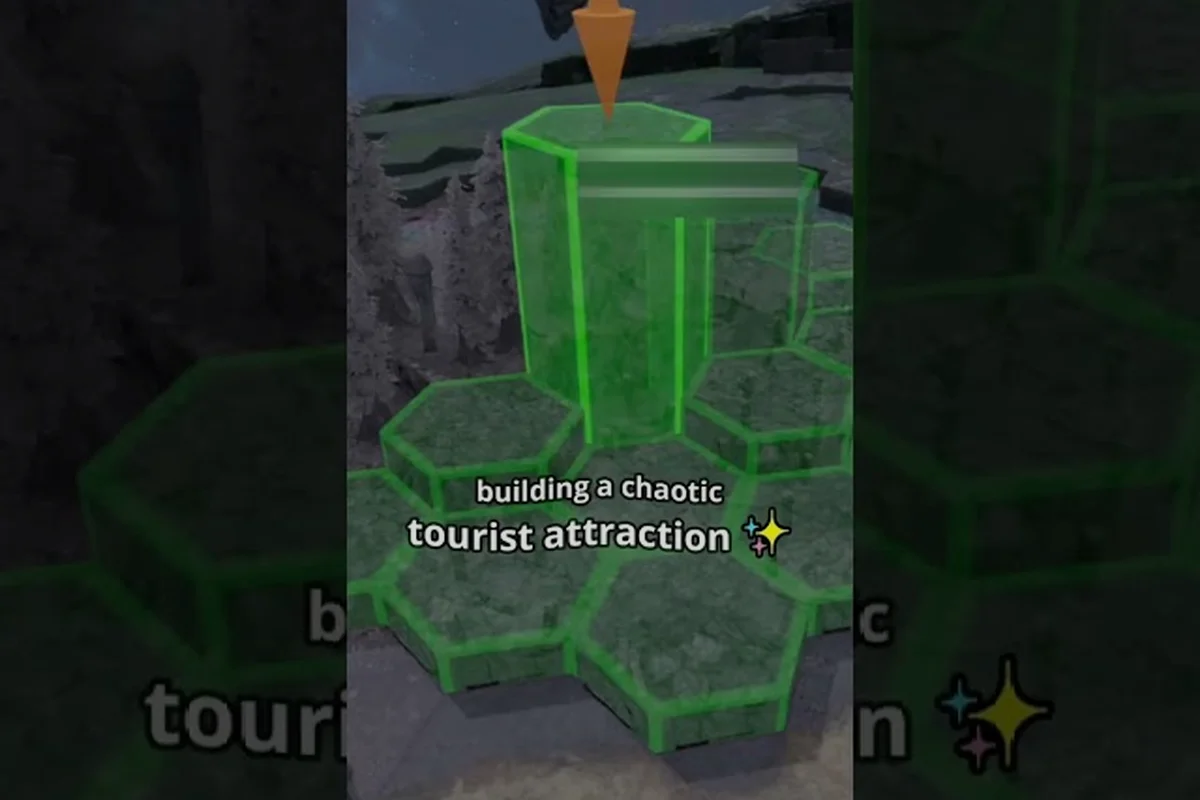
Beyond These Stars How to Terraform: Terrain & Ecosystems
Master Beyond These Stars how to terraform with this terrain editing guide — reshape biomes, grow forests, and build the ecosystem your city needs.

Beyond These Stars How to Keep the Ecosystem Healthy & Stable
Learn how to keep the ecosystem healthy in Beyond These Stars — spread atmosphere across biomes, stop habitat shrinking, and prevent pollution before Kewa suffers.
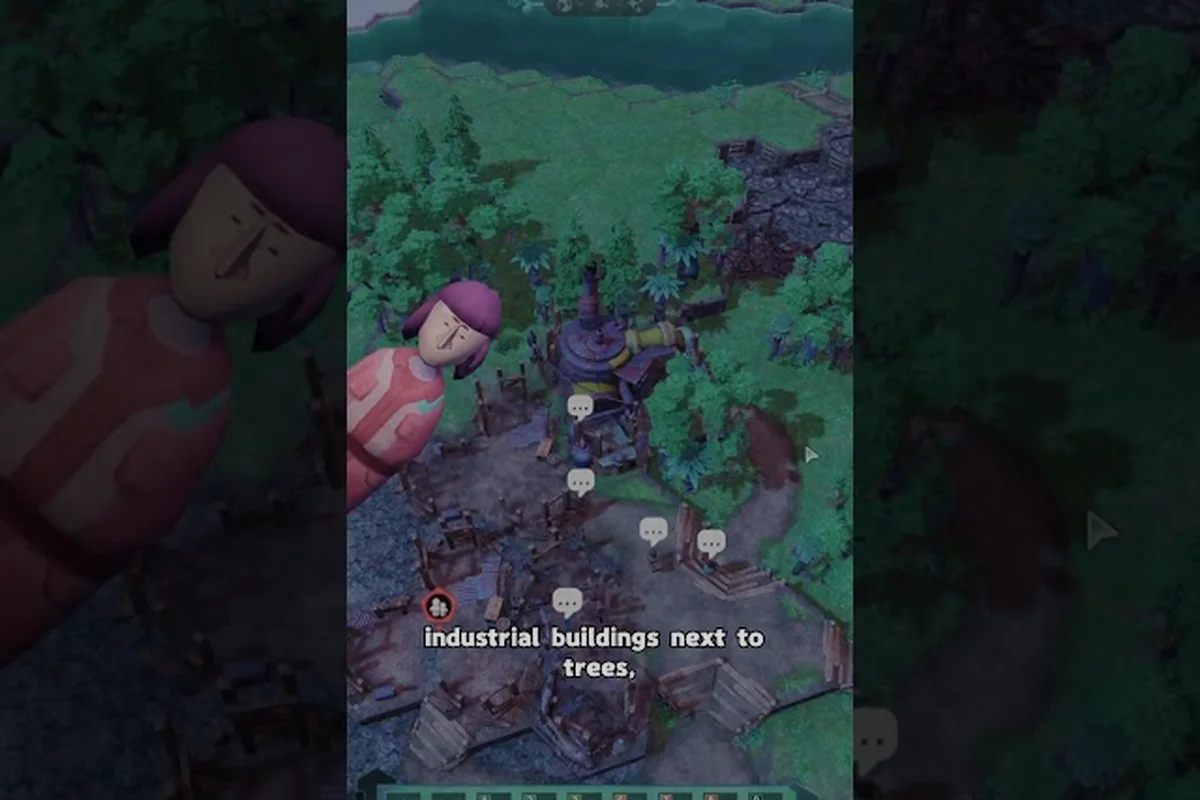
Beyond These Stars Forests: Atmosphere, Habitability & Growth
Learn how Beyond These Stars forests shape a planet's atmosphere and habitability, and what irrigation, dams, and landscaping actually do for your biomes.
All Articles
Beyond These Stars How to Dig Canals for Water and Travel
Learn how to dig canals in Beyond These Stars: where to route them for water access and movement, and how they fit alongside rivers and tree cover on Kewa.

Beyond These Stars Soil Guide: Top Soil and Farmland
Use this Beyond These Stars soil guide to place top soil, prep farmland for potatoes, and judge which terrain is worth reshaping before you plant.
Beyond These Stars Sustainable City: Biomes & Climate Design
Plan a Beyond These Stars sustainable city across biomes and climates — learn temperature control, green design choices, and what makes a city truly last.
Beyond These Stars Water Distribution: Spires & Islands
Learn how water distribution shapes hills, flats, spires, and mesas in Beyond These Stars, and discover practical ways to build islands and expand across the map.
Beyond These Stars How to Expand Land: Resh, Plates & Tips
Grow your city plate with this beyond these stars how to expand land guide — learn how Resh fuels new terrain and how to avoid over-exploitation.