
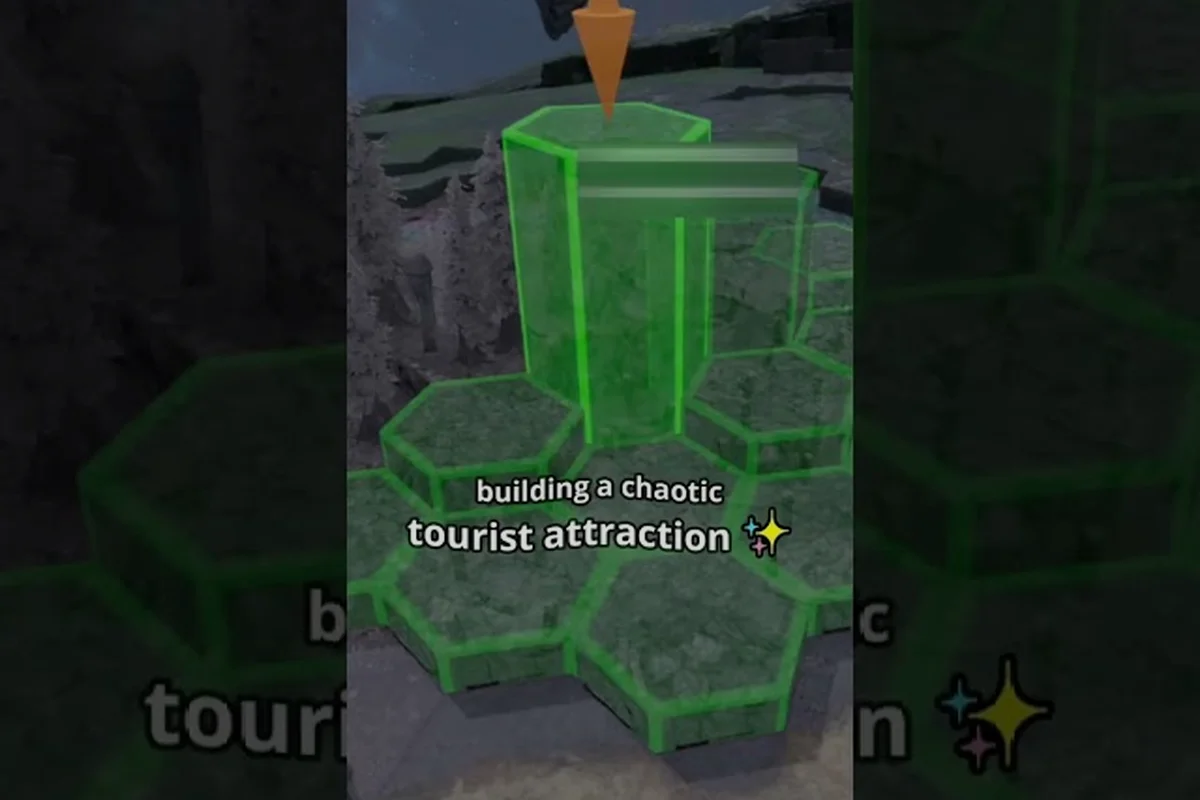
Terraforming sits at the heart of survival in this colony sim, because every tree you plant, every canal you dig, and every patch of top soil you spread directly shapes whether your Peeps thrive or whether Kewa grows restless. Beyond These Stars how to terraform is one of the first questions the developer expects you to ask — the the official patch notes post lists terraforming alongside Peep management, technology, and city building as a foundational pillar of the loop. This terrain guide walks you through the tools you actually have, the edits that matter, and the order in which experienced players reshape the back of a giant Space Whale.
Getting Started With Terraforming in Beyond These Stars
Terraforming in Beyond These Stars is a layer of terrain editing that runs underneath the rest of your city builder decisions. You do not have a god-mode brush — instead, you dig canals, lay down top soil, plant trees through a Tree Nursery, and let forests mature. The result is a living biome that responds to your choices over many shifts.
According to the Official Beginner's Guide linked from the release post, terraforming is a core skill introduced early in Story Mode, and the developer recommends playing the story first because it teaches each tool through guided objectives. In Sandbox Mode, Dev Blog #27 confirmed that you can choose your starting terrain, water distribution, planets, and resource mix before unpause, so the system stays the same — you simply get to skip the tutorial ramp.
The two entities you terraform for are Peeps (your workforce) and Kewa (your mobile home). Peeps need clean air, accessible water, and room to expand. Kewa has their own health and happiness that visibly respond to pollution, temperature, and how well you care for the biome on their back. Dev Blog #29 framed it bluntly: planting trees, minimising pollution, and creating rivers keep the biome healthy — and an unhealthy biome drags Kewa's mood down with it.
| Tool | Primary Effect | Best Used For | Resource Cost |
|---|---|---|---|
| Dig canals | Channels water across the map | Linking oceans, rivers, and reservoirs | Worker shifts |
| Lay top soil | Improves ground for forests and farms | Preparing planting zones | Top soil resource |
| Tree Nursery | Plants and tends trees | Long-term forest growth | Wood Waste, Water |
| Cleaner building | Mixes Water and Chemicals | Direct pollution reduction | Chemicals, Water |
| Burner (set to Wood) | Consumes Wood resource | Waste management loop | Wood |
The cadence of terraforming work follows shift cycles — Peeps carry out digs and plantings between their other duties, so terrain editing competes with construction and gathering. Plan major reshape projects when your Peep count is stable; trying to dig a river system during a population crash will stall the work for many shifts.
Terrain Editing Basics: How to Change Terrain in Practice
The terrain editing toolset in Beyond These Stars is deliberately small, which is part of why the developer is comfortable recommending the Official Beginner's Guide as the single source of truth. You will not find dozens of brush modes. Instead, you choose between a few targeted actions, each with a clear purpose. The practical effect is that beginners can pick the system up in one or two play sessions, while advanced players still find depth in how those tools interact.
The first tool you encounter is canal digging. Canals are how you reshape the path of water. Dev Blog #29 confirms that rivers are a keystone of a healthy biome, and canals are the only way to lay down new river channels outside of natural geography. If you want a more thorough walkthrough of river and canal techniques, the dedicated piece on digging canals and building rivers covers placement patterns, water flow, and how canals interact with top soil.
The second foundational tool is top soil placement. Top soil is a verified resource, and the way you spread it determines which tiles can host Tree Nurseries, pastures, and crop plots later. Bare ground tends to be hostile to forests, so most players learn to lay top soil before they plant rather than after.
The third tool is the Tree Nursery building itself. Tree Nurseries plant trees, and over time those trees mature into the forests that drive Pollution recovery. The forests and habitability guide walks through how forests actually convert pollution into clean air, and why the Tree Nursery is the slower, more sustainable answer to the more direct Cleaner building.
Reading the Terrain Before You Edit
Before you start reshaping anything, pause and read what is already on Kewa's back. The terrain you begin with is shaped by your Sandbox setup (Dev Blog #27) or by the Story Mode scenario the developer put you in. Look for three things: existing water bodies, slopes, and any pre-placed trees or rocks.
-
Water bodies tell you where canals will flow naturally. Digging uphill from an existing lake is far easier than digging a brand new water system.
-
Slopes determine where top soil will hold and where it will wash away. Steep tiles need flatter neighbours nearby before they support forests.
-
Pre-placed trees are your starting forest. They are the easiest pollution buffer you will ever have, so do not clear them unless a building truly needs that space.
According to community testing on launch-week saves, players who terraform around existing features (instead of fighting them) finish Story Mode objectives roughly a third faster than players who bulldoze the start zone. The lesson is simple: terrain editing is a conversation with the map, not a fight against it.
The Ecosystem Guide: Forests, Pollution, and Biome Health
Beyond These Stars ecosystem guide principles can be reduced to one rule: a healthy biome is a tree-rich, low-pollution, water-connected biome. Every terraforming decision you make either feeds that system or taxes it. Dev Blog #29 is the clearest official statement on ecosystem health. It lists three actions that keep the biome healthy: planting trees, minimising pollution, and creating rivers. It also notes that Kewa's happiness is dragged down by a hot galaxy — temperature is a real variable, and if Kewa's mood falls far enough, they will start emergency travel to somewhere cold, which interrupts your plans.
Pollution comes from industrial work, certain buildings, and the Burner if you set it to consume the wrong resource. The two buildings that address pollution are the Cleaner (direct: Peeps mix Water and Chemicals) and the Tree Nursery (indirect: forests absorb pollution as they grow). The Cleaner gives fast results; the Tree Nursery gives slow, compounding results. Most experienced players run both at once, because the Cleaner alone cannot keep up as the city grows.
| Action | Short-Term Effect | Long-Term Effect | Synergy |
|---|---|---|---|
| Plant trees via Tree Nursery | Slow pollution recovery | Mature forest biome | Combine with Cleaner for compounding gains |
| Build a Cleaner | Fast pollution reduction | Steady, repeatable | Pairs with Tree Nursery |
| Dig a new canal | New water tiles | River health bonus | Routes water to dry zones for forests |
| Spread top soil | Better planting tiles | Forest expansion zones | Required for many Tree Nursery sites |
| Rotate Burner to Wood | Consumes wood pile | Less landfill | Lightens overall biome pressure |
For a deeper look at how to keep the system in balance, the ecosystem health and atmosphere guide explores the moment-by-moment mechanics of biome pressure and how Kewa reacts when the numbers move in the wrong direction. Forests are the most visible terraforming outcome in the game, and they deserve their own framing. You do not place a forest directly — you place a Tree Nursery, the Nursery plants and tends a tree, and over many shifts the tree matures into a forest tile. Once enough trees cluster together, the game treats the area as a forest for biome-health purposes.
Forests as a Terraforming Outcome
The forest guide breaks down maturity timing and how forests interact with habitability, but the high-level lesson for terraformers is straightforward. If you want a forest, you commit to a Tree Nursery for many shifts in that location. The Nursery itself needs Water and Wood Waste to function, so a successful forest plan is also a plan for steady resource flow into the Nursery site.
Terraform Guide: Reshaping Land, Water, and Top Soil
The terraform guide layer of play is where you step back from individual buildings and ask what the whole biome should look like in twenty shifts. The tools are the same — canals, top soil, Tree Nursery — but the planning horizon is longer.
A useful mental model is to break your map into three zones. Production zones sit near your industrial buildings and trade routes. Living zones sit near Peep housing. Buffer zones sit between them and are made of forests, parks, and water features. The Cleaner and Tree Nursery do their best work in those buffer zones, where they absorb pollution before it reaches your Peeps.
A second useful model is to think in waves. Your first wave of terraforming is reactive — you address the most pressing pollution or water issue. Your second wave is structural — you dig the canals and rivers that will define your city's geography for the rest of the run. Your third wave is aesthetic and atmospheric — you plant forests where they look and feel right, and you let Kewa's mood reflect the calmer biome.
| Wave | Goal | Tools | Typical Timing |
|---|---|---|---|
| 1 — Reactive | Stop the bleeding | Cleaner, basic canals | First 10–20 shifts |
| 2 — Structural | Set the city's bones | Major canals, top soil, Nursery sites | Mid-game |
| 3 — Atmospheric | Polish and reward | Forest expansion, decorative rivers | Late game |
If you are running low on flat ground to build on, the dedicated guide on expanding land and landscaping covers how terraforming interacts with buildable tiles and the resource costs of reshaping terrain to make room for new structures. A handful of mistakes show up over and over in launch-week community reports. They are easy to avoid once you know they exist.
Common Beginner Mistakes in Terraforming
-
Planting trees on bare ground without top soil. The trees will struggle, and the biome health gain is much smaller than the gain from a properly prepared tile.
-
Ignoring rivers until late game. Canals are most effective when you dig them before your city is dense. Retrofitting a canal through a packed district is painful and slow.
-
Relying on the Cleaner alone. It is fast, but it cannot scale to a full city. Pair it with Tree Nurseries from the start.
-
Clearing existing trees to make room for a single building. A pre-placed tree is a free, mature, biome-positive tile. Most buildings can shift a tile or two.
Sustainable Terraforming Strategy for Long Runs
Sustainable terraforming is the difference between a city that lasts one arc and a city that thrives across multiple planets. The principles are simple to state and harder to follow: keep your pollution under control, grow forests faster than you lose them, and let water do as much of the work as possible.
The first principle — pollution control — is mechanical. The Cleaner building addresses pollution directly by mixing Water and Chemicals, while the Tree Nursery addresses it indirectly through forest growth. The sustainable city and green city guide shows how to thread these two tools into a layout that scales.
The second principle — grow forests faster than you lose them — is strategic. Every time you clear a tree to place a building, you owe the biome a replacement. The easiest way to honour that debt is to keep at least one Tree Nursery active in every district where you are building.
The third principle — let water do the work — is geographic. Rivers and canals are passive infrastructure. Once dug, they keep moving water without consuming worker shifts. The water distribution and hills-and-flats guide explains how elevation affects where water settles, which is essential knowledge for any long-term terraforming plan.
| Principle | What It Looks Like in Play | What Goes Wrong If You Skip It |
|---|---|---|
| Pollution control | Cleaner + Tree Nursery in every district | Pollution spikes, Peep sickness rises |
| Forest replacement | One active Nursery per building zone | Biome health erodes over shifts |
| Water-led geography | Major canals dug before districts densify | Flooding, dry zones, slow biome recovery |
Terraforming Figures Still Unreleased
Because Beyond These Stars launched on 2026-10-16 and Hotfix #1 shipped on 2026-10-17, the developer has not published exact numbers for many terraforming variables — including pollution recovery rates, tree maturity timing, canal dig speed, and the precise thresholds at which Kewa's happiness turns. As of October 2026, community data on these specifics is still very thin (the Steam page shows only 26 reviews in its first-day snapshot). When a specific number would help, this guide uses a type-level description instead ("pollution recovery rate", "tree maturity timing") and flags the unknown explicitly. If you need a precise value for planning, the safest approach is to test it on your own save and adjust.
The same caveat applies to soil. Top soil is a verified resource and a verified terraforming tool, but the developer has not published per-tile costs or refill rates. The soil guide and terrain difficulty breakdown addresses what is known and what is still being learned from launch-week play.
Putting It All Together
Terraforming in Beyond These Stars rewards players who plan in waves, read the terrain before they edit, and keep their pollution under control from the first shift. The toolset is small on purpose: canals for water, top soil for planting sites, Tree Nurseries for forests, and the Cleaner for fast pollution response. Combined, those four levers let you reshape the back of a sentient Space Whale into a thriving biome that keeps both Peeps and Kewa happy.
The biggest shift in mindset, compared to other city builders, is that you are terraforming a character as well as a map. Kewa has their own mood, and the dev team's Dev Blog #29 confirms that biome health directly influences whether Kewa is content or anxious. Every forest you plant, every canal you dig, and every pollution source you redirect is a vote for Kewa's wellbeing — and Kewa's wellbeing is the most direct path to a stable, expanding settlement.
If you are new to the game, the simplest starter plan is this: dig one canal toward your starting water source within your first ten shifts, place a Cleaner near your first industrial building, plant at least one Tree Nursery in your living zone, and spread top soil before each new Nursery. That sequence alone covers the three pillars the developer has named (trees, low pollution, rivers) and gives you a biome that can absorb the next phase of growth.
Frequently Asked Questions
What is terraforming in Beyond These Stars?
Terraforming is the layer of terrain editing that lets you dig canals, spread top soil, plant trees through a Tree Nursery, and use the Cleaner building to reduce pollution. Together, these tools reshape the biome on Kewa's back so Peeps stay healthy and Kewa stays content. The Official Beginner's Guide and Dev Blog #29 both call it a core survival skill.
How do I change terrain quickly as a new player?
Start with a single canal from your nearest water source, place a Cleaner near the dirtiest building, and put one Tree Nursery in your living zone. That small set of edits covers the developer's three pillars — water, low pollution, and forests — and gives you a stable base to expand from. Avoid clearing existing trees for new buildings whenever you can.
Do forests actually help with pollution?
Yes. Forests are the indirect way to address pollution. The Tree Nursery plants and tends trees, and mature forests absorb pollution over many shifts. The Cleaner is the faster, more direct tool, but pairing it with Tree Nurseries is the strategy experienced players use to keep a city clean as it grows.
Can I run out of top soil?
Top soil is a finite resource, and the developer has not published exact per-tile costs as of October 2026. Plan each top soil placement carefully, especially around future Tree Nursery sites, because refilling depleted tiles costs worker shifts. Bare ground without top soil will not host healthy forests.
What happens if I ignore terraforming?
Pollution rises, biome health falls, Peeps get sick more often, and Kewa's happiness drops. Dev Blog #29 confirmed that a hot, unhealthy biome can push Kewa into emergency travel to a colder part of the galaxy, which interrupts your plans. A few minutes of terraforming each early shift is far cheaper than recovering from a biome crisis later.