
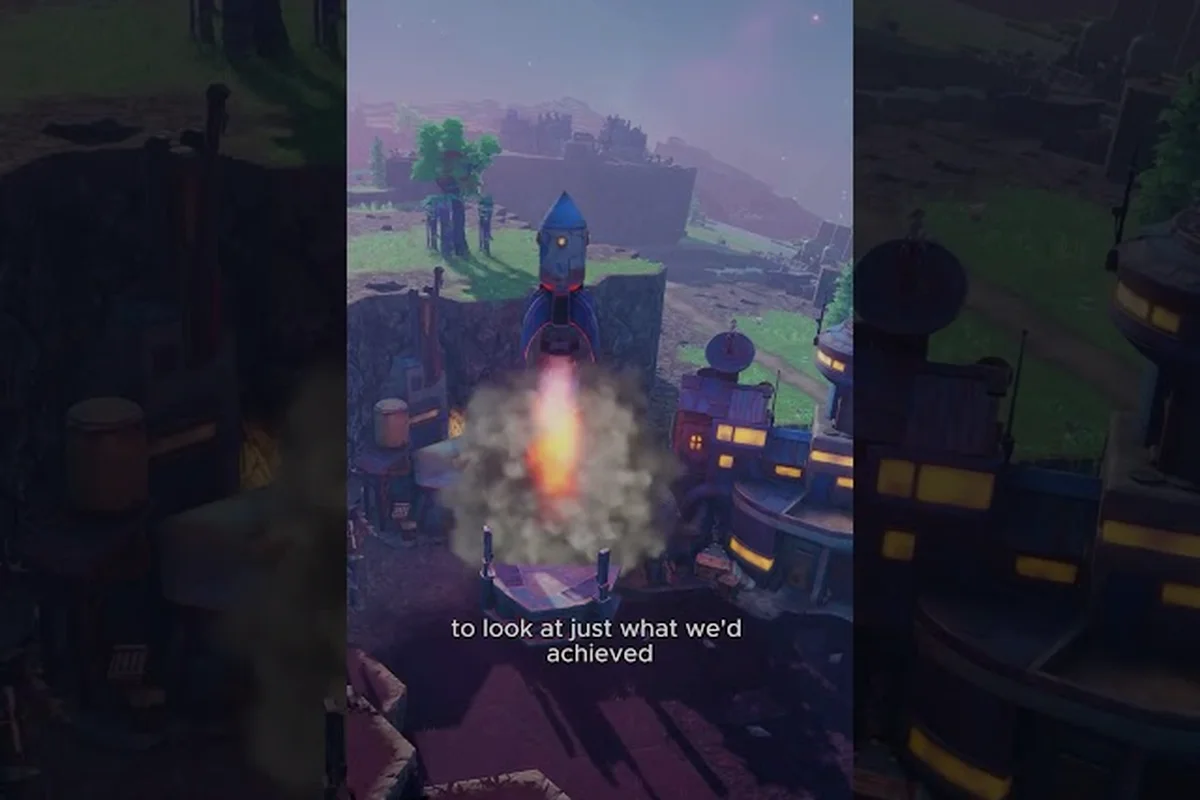
Peep culture in Beyond These Stars is more than a flavour backdrop; it is the connective tissue between the colony's communal, moneyless economy and the systems that keep the settlers content aboard their wandering host. Because every household shares freely, the rhythms of work, rest, and mourning ripple across the settlement and feed directly into measurable swings in happiness, pollution load, and the social institutions that emerge on top of them. This page unpacks how those cultural traits translate into mechanics, from the way sickness and mourning pass between neighbours to the role of celebrations, apothecaries, and fairgrounds in steadying a fragile community riding atop Kewa.
What Defines Peep Culture on Kewa
Beyond These Stars Peep culture is built around a small, curious species that lives on the back of a sentient Space Whale, and the way your people eat, rest, celebrate, and grieve is the layer that quietly drives every production chain you build. According to the developer's own write-up on the Peep layer, the Peeps are described as a human-adjacent spacefaring people with a love of nature and building things, who are handy and industrious but prone to chaos, and whose communal lifestyle has no fiat currency at all. That framing matters because it explains why the social systems in the game feel communal rather than transactional, and why a Celebration, an Apothecary visit, or a Mourning phase can reshape your economy without any money changing hands.
What makes Beyond These Stars Peep culture distinct from a typical city builder is that it sits on top of a living, breathing host. Kewa is the giant Space Whale your city rides on, and Peeps share their daily rhythm with that host. Their mood rises while they relax, eat, drink, or stand near decorative buildings, it falls while they are working, and it drops further when they cross a polluted tile, with heavier pollution shaving off mood faster. Because happiness influences everything from productivity to reproductivity, the Peep layer is best read as an emotional economy that you tune with buildings, decor, and rhythm rather than with raw output targets.
The Peep population is also deliberately age-split, which gives the culture a generational texture. Peeps age and divide into a working-age group plus two non-working groups called Children and Elders, who are visually distinguished by smaller models and grey hair, respectively. That split means your settlement naturally has mouths to feed, hands to keep busy, and elders whose wellbeing you have to protect, and the rest of the systems covered here all flow from that single design choice.
| Cultural Pillar | Where It Shows Up | What It Costs You If Ignored |
|---|---|---|
| Communal living | No fiat currency, shared meals | Resources feel abstract; planning still matters |
| Mood-driven work | Happiness overlay, productivity, reproductivity | Unhappy Peeps stop working to fix their mood |
| Aging society | Children + Elders + working age | Food and care for non-workers must be planned |
| Living on a host | Kewa dialogue, biome, pollution | Neglect ripples back to the whale and the city |
How Peep Behavior Actually Works Day to Day
Beyond These Stars Peep behavior is driven by a single number that everything else hangs off, and that is the Peep's mood. The developer introduces a happiness graph that shows exactly what changed a given Peep's mood, and a separate happiness overlay that displays the gain or loss contributed by a tile or a building, which means you can read cause and effect directly on the screen instead of guessing. The behavior model is short enough to summarize, and the practical implications are wide.
Peep behavior in practice looks like this. While a Peep is relaxing, eating, drinking, or standing near decorative buildings, happiness rises, and while they are working it falls, so the more aggressively you push production the faster you erode the workforce. Passing through a polluted tile cuts happiness further, and the more polluted the tile, the steeper the cut, which makes pollution control a behavioral concern rather than a purely cosmetic one. When happiness sinks low enough, a Peep stops working and immediately seeks to address their poor mood, so the penalty for a bad layout is not a slow decline but a sudden drop in active labor. A Dev Blog #26 on the Peep crew walks through this layer in the developer's own words.
Reading the Happiness Graph and Overlay
The happiness graph is essentially a timeline of what nudged a given Peep's mood up or down, and the happiness overlay is the spatial version of the same data, showing which nearby tiles and buildings are currently giving or taking happiness. The two views together let you answer two different questions: the graph answers "why is this specific Peep unhappy," and the overlay answers "why is this part of the city in general unhappy." Because the overlay is tile-and-building aware, you can see at a glance whether a piece of decor is paying for itself, whether a road runs through pollution it should be routed around, and whether a work building is so thankless that it needs a Fairground or an Apothecary nearby to keep its workers sane.
Children, Elders, and the Working Age
The three age groups are not just visual flavor, because Children and Elders are non-working and therefore consume food and care without contributing labor. Working-age Peeps are the only group that can be assigned shifts, run production buildings, or go on strike, which means your sustainable population growth has to balance working output against the support burden of the two non-working groups. If you let the Elder count balloon without planning meals, the culture starts to feel strained, and that strain shows up as falling happiness, which loops back into the productivity hit at the heart of Peep behavior.
| Age Group | Visual Cue | Labor Status | What They Still Need |
|---|---|---|---|
| Children | Much smaller model | Non-working | Food, safety, decor |
| Working age | Standard model | Working | Mood, food, rest, fair treatment |
| Elders | Grey hair | Non-working | Food, care, access to Apothecary when sick |
Celebrations, Strikes, and the Apothecary as Social Infrastructure
Beyond These Stars Celebrations are the most visible social event in the game and they double as a soft production boost, because when enough Peeps in one location pass a high happiness threshold the Fairground kicks off a Celebration, which grants bonuses to production, movement, and sickness resistance. The flip side of that same mood system is the strike loop, which Dev Blog #23 describes as a first strike lasting three shifts, where the root cause gives you a clear goal to address and the option to end the strike early, with striking Peeps holding signs and physically blocking other Peeps so the whole settlement slows down. Together, those two systems form the emotional rhythm of the game, and a guide to how to stop a strike in Beyond These Stars is a useful companion read when you hit your first walkout.
The Apothecary is the other half of the social safety net. According to the developer's confirmed building list, the Apothecary is the structure that heals sick Peeps, and it was specifically called out in Dev Blog #25 for a texture update, which underlines that it is a first-class building rather than a hidden utility. Peep sickness, the related Mourning phase, and elder care all funnel through the Apothecary, so even a small settlement of only a few dozen Peeps usually wants one of these online before the first major sickness wave.
The Anatomy of a Celebration
A Celebration begins quietly, because the Fairground only triggers the event when enough Peeps in its local area cross a high happiness threshold, which means Celebrations are the visible payoff of a well-tuned neighborhood. The bonuses are real but soft: a temporary lift to production that lets you push a build harder, a movement bonus that helps Peeps cross the city faster, and a sickness-resistance bonus that flattens out the next Apothecary spike. The reason this matters culturally is that Celebrations cannot be bought or scheduled, they have to be earned with layout, decor, food, and rest, and the settlement that celebrates often is the settlement that is actually treating its people well.
Mourning and the Apothecary Pipeline
Sickness and death are the shadow side of the same mood system, because Dev Blog #25 ties sickness chance to falling energy at the start of a shift, which means an overworked or underfed Peep is the most likely to get sick. When a Peep falls ill, the Apothecary is what keeps a small outbreak from cascading into a Mourning phase, and when a Peep does pass, the community enters a Mourning state that is best read as a temporary, social version of a strike. Players who want to think through Mourning as its own system can read the Beyond These Stars Mourning and strike guide for the practical side, while the rest of this section frames Mourning as a cultural event the settlement has to absorb.
| Social System | Trigger | Visible Behavior | Building Link |
|---|---|---|---|
| Celebration | Enough Peeps in one place pass a high happiness threshold | Bonus to production, movement, and sickness resistance | Fairground |
| Strike | Working conditions cross a line | Peeps hold signs and block other Peeps, slowing the city | Triggered by the workplace itself |
| Sickness | Energy is low at the start of a shift | Peeps seek care and lose productivity | Apothecary heals them |
| Mourning | A Peep passes | Community-wide mood dip and slowdown | Cultural response, not a building |
Tuning the Biome, Pollution, and Kewa So Peeps Can Thrive
Beyond These Stars Peep culture cannot be healthy on a sick biome, because pollution, temperature, and Kewa's own happiness all feed straight back into Peep behavior. Dev Blog #29 is explicit that planting trees, minimizing pollution, and creating rivers are the actions that keep the biome healthy, and it is also where the Tree Nursery and the Cleaner enter the picture. The Tree Nursery is the indirect way to address Pollution, while the Cleaner is the more direct way, with Peeps mixing Water and Chemicals to scrub polluted tiles, which is why a sustainable city almost always runs both side by side rather than relying on either one alone.
Kewa's own mood is the next layer up. According to the developer's setting, Kewa is a sentient giant Space Whale who carries the player through the galaxy, and Kewa is referred to with they/them pronouns. Kewa has their own happiness, which is nudged by your dialogue choices, and Dev Blog #29 notes that a hot galaxy drags Kewa's happiness down, and if it falls far enough Kewa starts emergency travel somewhere cold. That emergency travel is not a punishment, it is the world gently asking you to fix your biome, your pollution, or your temperature balance, and ignoring it for too long will keep the Whale miserable and the Peep layer along with them. For a deeper read on the mood side, the Beyond These Stars Peep happiness and wellbeing overview is a natural next stop.
Pollution as a Cultural Problem
The reason the Cleaner and the Tree Nursery both exist is that pollution is treated as a cultural problem, not a resource sink. A polluted tile cuts Peep happiness on contact, with heavier pollution cutting it faster, so a road that runs through a polluted zone is not just ugly, it is actively draining the workforce that crosses it. The Cleaner Peeps, who mix Water and Chemicals, address the problem at the source, while the Tree Nursery addresses it indirectly by making the biome more resilient, and the practical takeaway is that a city that handles both at once will hold a higher baseline happiness than a city that only runs one of them.
Kewa's Mood and the Galaxy's Temperature
Kewa's mood is shaped by your dialogue choices and by the temperature of the galaxy you are passing through, which means there is a strategic layer to Peep culture that goes beyond your local layout. Choosing dialogue options that Kewa enjoys nudges their happiness up, and Dev Blog #29 frames a hot galaxy as a slow drain that, left alone, will eventually force Kewa to emergency-travel to a colder part of space, which is the kind of decision the player should be making for the Whale rather than letting the game make for them. The settlement that pays attention to Kewa's mood is the one that ends up with a stable biome, and the settlement that does not is the one whose Peeps start celebrating less and mourning more.
| Biome Lever | What It Does | Cultural Effect on Peeps |
|---|---|---|
| Tree Nursery | Plants trees, addresses pollution indirectly | Slower but steadier mood recovery |
| Cleaner | Mixes Water and Chemicals to scrub tiles | Fast, direct mood recovery in hot spots |
| Kewa dialogue | Nudges Kewa's happiness up or down | Sets the ceiling for the whole biome |
| Galaxy temperature | A hot galaxy drags Kewa's happiness down | Force-emergency-travel trigger if ignored |
Building the Peep Layer: Priorities, Pitfalls, and Long-Term Habits
If you zoom out from the individual systems, Beyond These Stars Peep culture rewards a particular kind of city builder, the kind who treats the mood overlay as seriously as the resource overlay and who plans for Celebrations and Mourning the way other games plan for events. The official Beyond These Stars Steam store page confirms this is a city builder and colony sim with resource management and automation tags, and the developer's official game site frames the city as something you build on the back of a living host, which together explain why the Peep layer is so prominent. A first-time player can get a long way by holding a few priorities in their head and by not repeating the most common early mistakes.
A Short Practical Checklist for the Peep Layer
-
Place a Fairground early so your first neighborhood can actually trigger a Celebration once happiness is high enough, and so the production, movement, and sickness bonuses become part of your baseline.
-
Keep an Apothecary online before your first major sickness wave, because Dev Blog #25 ties sickness to low energy at the start of a shift, which means a hot shift is exactly when an Apothecary is least optional.
-
Run a Cleaner and a Tree Nursery together so pollution is addressed both directly and indirectly, and so a single polluted road does not become a permanent drain on the Peeps who cross it.
-
Watch the happiness overlay, not just the graph, because the overlay tells you which tiles and buildings are the current mood drivers, while the graph only tells you what already happened to one Peep.
-
Plan food for Children and Elders, because they do not work but they still eat, and ignoring them is one of the fastest ways to slide a settlement into a low-happiness equilibrium.
Common Pitfalls and How to Avoid Them
The most common pitfall is treating the Peep layer as a passive population that exists to be assigned to buildings, when in reality the Peeps are the layer that decides whether your buildings actually run. Pushing production without watching the happiness overlay is the fastest way to trigger a strike, ignoring pollution until it is everywhere is the fastest way to push Peep mood below the working threshold, and failing to build an Apothecary early is the fastest way to turn a small sickness spike into a Mourning cascade. Another frequent mistake is assuming that the Settlement Ship is something the player builds, when in fact the developer is explicit that the Settlement Ship is not built by the player, which means its timing is part of the story arc rather than part of your production plan.
A subtler pitfall is over-relying on a single mood lever. A city that decorates without addressing pollution can still have a Peep pass through a polluted tile on the way to a beautiful park, and a city that scrubs pollution without planting trees will be cleaning the same tiles again next season. The settlements that feel like they have a real Peep culture are the ones that stack their mood levers, the Fairground plus the Apothecary plus the Tree Nursery plus the Cleaner plus thoughtful Kewa dialogue, and that treat each new building as a small social contract rather than a pure efficiency upgrade.
Frequently Asked Questions
What is Beyond These Stars Peep culture in one sentence?
Beyond These Stars Peep culture is a communal, no-currency society on the back of the Space Whale Kewa, where Peep behavior is driven by a happiness overlay and a happiness graph, and where mood rises while relaxing, eating, or standing near decor, and falls while working or crossing polluted tiles.
How do Celebrations actually start in Beyond These Stars?
A Celebration starts at the Fairground once enough Peeps in that location pass a high happiness threshold, after which the settlement receives temporary bonuses to production, movement, and sickness resistance, which is why building decor and food variety around a Fairground pays off more than building it in isolation.
When should I build an Apothecary?
You should build an Apothecary early, because sickness chance rises at the start of a shift as Peep energy falls, and an online Apothecary is what keeps a small sickness spike from snowballing into a wider Mourning phase that slows the whole settlement down.
What triggers Mourning in Beyond These Stars?
Mourning follows the loss of a Peep, and it behaves like a community-wide mood dip combined with a slowdown, which is why the Apothecary, steady food, and good sleep cycles are the cultural tools you use to reduce how often you reach that state in the first place.
How does pollution actually affect Peep behavior?
Pollution cuts Peep happiness every time a Peep crosses a polluted tile, with heavier pollution shaving mood faster, so a polluted road is not just ugly but actively drains the workforce, which is why the Tree Nursery and the Cleaner are treated as cultural infrastructure rather than optional cleanup.